What is radon gas? Is it unsafe?
Is radon really bad for you?
Breathing radon over time increases your risk of lung cancer. Radon is the second leading cause of lung cancer in the United States. Nationally, the EPA estimates that about 21,000 people die each year from radon-related lung cancer. Only smoking causes more lung cancer deaths.
Therefore, every residence ought to capitalize on radon screening, which is simple, cost-effective, as well as lifesaving, the organization states. Some granite countertops might expose individuals to various levels of radon.
As uranium hidden in clumps of dirt and also pebbles damage down with time, radon gas is launched as part of the contaminated https://belisaztuq.wixsite.com/lorenzotgbx234/post/protect-yourself-as-well-as-your-family-members-from-radon decay. Once it's devoid of the dirt, it has lots of paths to go into the average house with fractures in the structures, spaces in initial flooring and also cellar wall surfaces, joints around windows, as well as other similar openings.
Is radon mitigation really necessary?

When radon gas enters the body, it exposes the lungs to small amounts of radiation. In small quantities, experts say this is harmless. However, in persistent exposures or larger quantities, radon can damage the cells of the lining of the lungs, increasing a person's chance of developing lung cancer.
The United States EPA has actually placed it simply, mentioning, "Any kind of radon direct exposure has some danger of causing lung cancer. Radon gas is a naturally-occurring result of the contaminated decay of Uranium in the soil. Depending on your geographic place, the radon levels of the air you take a breath beyond your residence may be as high as 0.75 pCi/L.
- Your danger of lung cancer cells raises substantially with exposure to higher radon degrees.
- Radon gas is a naturally-occurring byproduct of the radioactive decay of Uranium in the dirt.
- Depending on your geographic area, the radon degrees of the air you breathe outside of your home may be as high as 0.75 pCi/L.
- The national standard of outdoors radon degrees is 0.4 pCi/L and it is approximated by the National Academy of Sciences that outside radon degrees create around 800 of the 21,000 radon generated lung cancer cells fatalities in the US yearly.
- The US EPA has put it simply, mentioning, "Any type of radon exposure has some risk of creating lung cancer.
How do you eliminate radon?
Possible symptoms include shortness of breath (difficulty breathing), a new or worsening cough, pain or tightness in the chest, hoarseness, or trouble swallowing. If you smoke and you know you've been exposed to high levels of radon, it's very important to quit smoking.
If an owner's long-term exposure will average 4 picocuries per liter (pCi/L) that is 148 Bq/m3, the United States Environmental Protection Company (EPA) suggests residences be taken care of. The United States Surgeon General and also the EPA both suggest that all houses be examined for radon. Numerous states have active radon testing and reduction programs in place, which need testing in buildings such as public colleges. However, these are not standardized nationwide, and also the regulations and laws on decreasing high radon levels are also less usual.
Nevertheless, you pick what you consume, whether you smoke, as well as just how and also when you drive. A affordable and also straightforward radon test can give you the details you need to make an enlightened choice concerning what level of radon gas direct exposure serves to you. While any quantity of direct exposure to radon gas makes up a wellness risk, your threats of contracting lung cancer decrease substantially as radon degrees decrease.
How long does it take for radon to cause cancer?
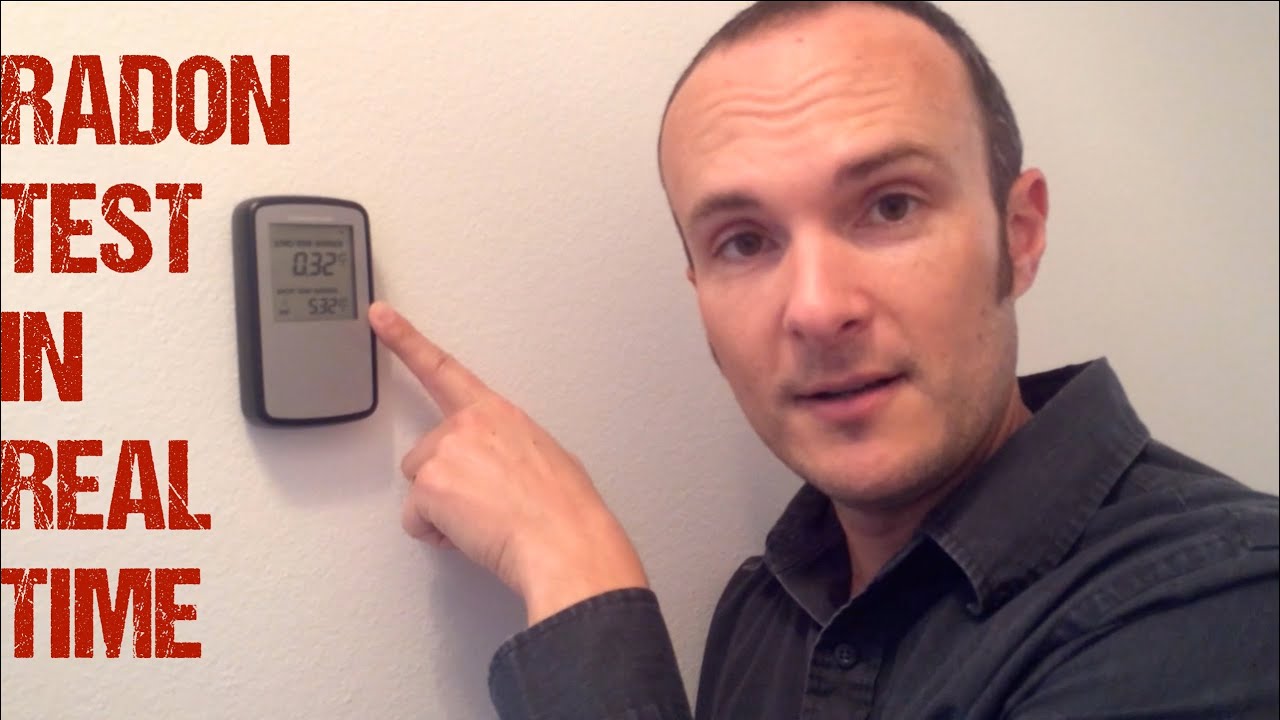
Fact: You will reduce your risk of lung cancer when you reduce radon levels, even if you've lived with an elevated radon level for a long time. Keep in mind that radon levels below 4 pCi/L still pose some risk and that radon levels can be reduced to 2 pCi/L or below in most homes.